







Blog
A Guide to Buying Fresh, High-Quality Nuts
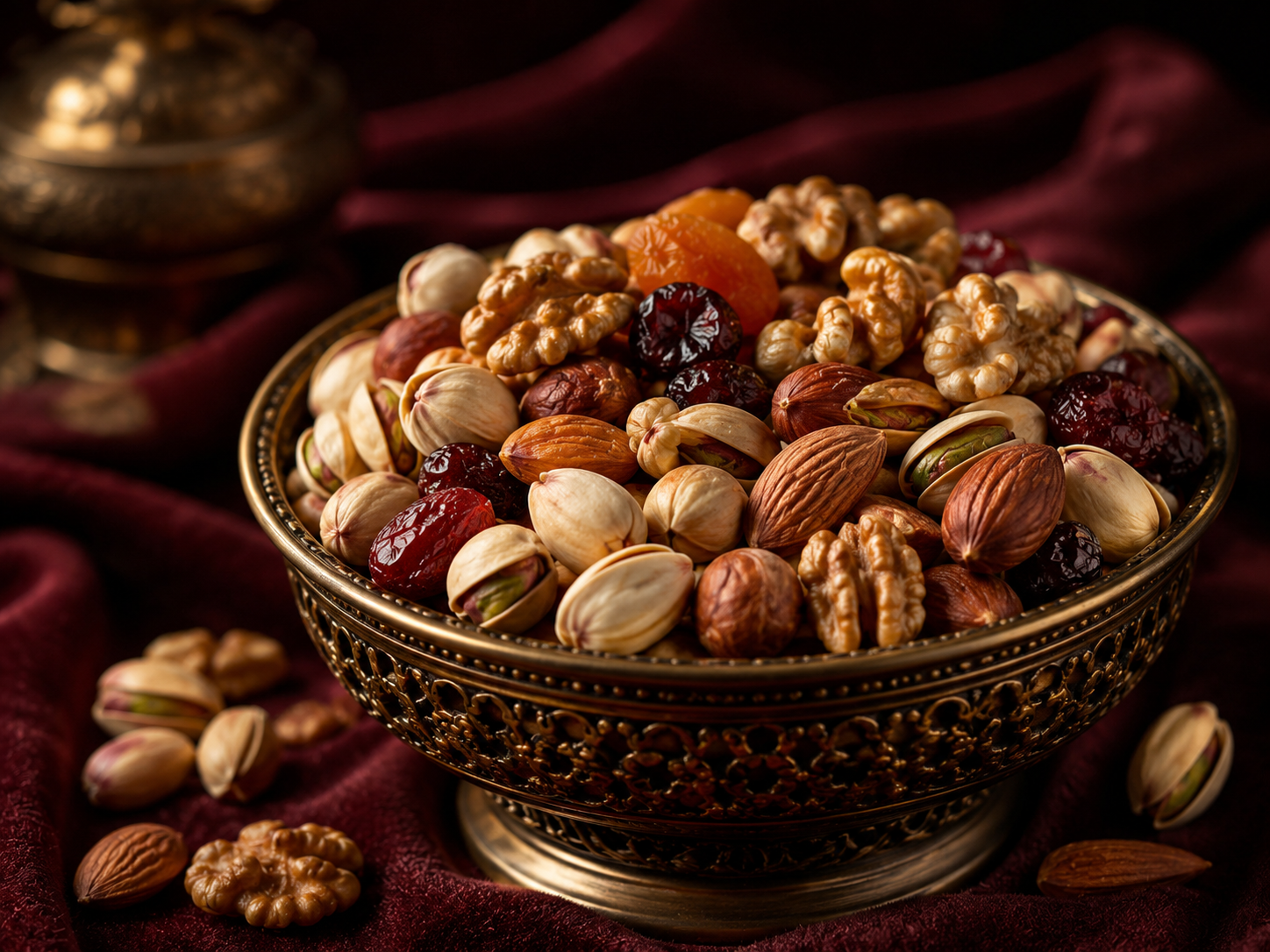
Buying nuts may seem simple at first: choose a few types of nuts and dried fruits, weigh them, and make the purchase. However, if quality, freshness, and product safety matter to you, choosing the right nuts requires a little more attention. Nuts are relatively sensitive products, and factors such as heat, moisture, light, storage conditions, and the amount of time that has passed since production or roasting can directly affect their taste, aroma, and overall quality.
Even nuts that look relatively good may taste stale, bitter, or unpleasant if they have not been stored properly. For this reason, it is better not to judge a product based on appearance alone and instead evaluate several signs at the same time.
The First Sign of Good Nuts: A Fresh, Natural Aroma
One of the easiest ways to assess the freshness of nuts is to smell them. Fresh nuts usually have a mild, natural aroma and should not smell stale, damp, sour, or like old oil.
The natural fats found in nuts such as walnuts, almonds, pistachios, hazelnuts, and cashews can gradually oxidize under unsuitable conditions. When this happens, aroma is often one of the first characteristics to change.
If the nuts smell like rancid oil, mold, moisture, or a closed and stale environment, it is better not to choose that product.
What Can the Appearance of Nuts Tell You About Their Quality?
Appearance alone is not a definitive measure of quality, but it can provide a great deal of useful information. Fresh nuts usually have a natural, healthy, and relatively consistent appearance.
Look for unusual spots, signs of moisture, mold, suspicious holes, insects, or an excessive amount of broken and damaged pieces.
For nuts with shells, such as pistachios, it is also a good idea to inspect the shells. Unusual cracks, severe discoloration, or signs of moisture may indicate improper storage.
At the same time, excessively uniform coloring is not always a sign of better quality. Natural products may show slight variations in size and color.
Taste: One of the Best Indicators of Quality
If tasting is possible, try a small amount before buying. Fresh nuts should have a clear, natural, and pleasant flavor.
Unusual bitterness, a soapy taste, rancid oil flavor, moldy notes, or an excessively stale taste can all indicate a decline in quality.
Fresh walnuts, for example, have their characteristic natural and rich flavor, while old walnuts may become bitter. Pistachios and almonds can also lose their original flavor if stored for too long under unsuitable conditions.
For this reason, when shopping in person, tasting a small amount can make the decision much easier.
Should You Buy Raw, Salted, or Roasted Nuts?
The choice between raw and roasted nuts largely depends on personal preference and how you plan to use them.
Raw nuts are usually suitable for people who prefer their natural flavor or want to control their salt intake. Roasted and salted nuts, on the other hand, often have a stronger and more appealing taste.
When buying roasted nuts, the quality of the roasting process is very important. The product should not be excessively dark, burnt, or bitter.
Large amounts of salt or seasoning may also make it more difficult to evaluate the natural flavor of the nuts themselves. Therefore, if your main goal is to assess the quality of the nut, raw or lightly salted products may be a better choice.
Pay Attention to Moisture
Moisture is one of the main enemies of nuts. Nuts that have absorbed moisture usually lose their crisp texture and become soft or rubbery.
A fresh pistachio or almond, for example, should have a noticeably crisp texture when chewed. If the nut feels excessively soft or damp, it may not have been stored under suitable conditions.
Moisture can also create conditions that encourage mold growth and reduce overall product quality.
Are Bulk Nuts Better Than Packaged Nuts?
Both bulk and packaged nuts can be high quality. The main issue is how they are displayed and stored.
One advantage of bulk nuts is that you can inspect their appearance, smell, and sometimes taste before purchasing. However, you should also pay attention to how they are stored in the shop. Open containers exposed to air, light, dust, and frequent customer traffic may cause the quality of the nuts to decline more quickly.
Packaged products usually provide information such as production date, expiration date, weight, and manufacturer details.
When buying packaged nuts, check that the packaging is intact, free from moisture or tears, and produced by a reputable manufacturer.
High Product Turnover in the Store Matters
One factor that is often overlooked is how quickly products are sold and replaced in the store.
A shop with many customers and regularly replenished stock is generally less likely to keep the same nuts sitting in containers or storage areas for long periods.
Of course, a busy shop alone does not guarantee quality, but good product turnover can be a positive sign.
Take Unnatural Colors Seriously
When buying dried fruits and certain types of nuts, pay attention to their color. An extremely bright or unusual color does not necessarily indicate high quality.
Slight differences in color are completely normal in many natural products. It is therefore better to judge quality based on a combination of factors, including aroma, taste, appearance, and texture, rather than being influenced only by a glossy appearance.
Buy According to Your Actual Consumption
A common mistake is purchasing a large quantity of nuts and then storing them at home for a long time.
Even fresh nuts can gradually lose some of their original aroma, flavor, and texture during extended storage.
If your daily or weekly consumption is low, buying smaller and fresher quantities may be a better option.
This is especially important for shelled nuts, since greater exposure to air can accelerate quality deterioration.
Do Not Forget Proper Storage After Purchase
Even the highest-quality nuts can lose their freshness if stored incorrectly after purchase.
Keep nuts in a completely sealed container in a cool, dry place away from direct light. For longer-term storage, especially in warm weather, the refrigerator or freezer can be suitable options.
It is also better not to keep nuts next to strongly scented foods, as the fats in nuts can absorb surrounding odors.
Buy from a Reputable Seller
Ultimately, one of the most important factors when buying high-quality nuts is choosing a store that takes product quality and storage conditions seriously.
A reputable seller will usually provide clear information about the type of product, its freshness, storage methods, and ingredients, and will keep products under suitable conditions.
When shopping online, it is also advisable to pay attention to product information, packaging methods, shipping conditions, and the store’s reputation.
Conclusion
When buying fresh, high-quality nuts, you should not focus only on attractive appearance or price. Aroma, taste, texture, moisture level, storage conditions, and the reliability of the seller all play a role in determining quality.
Fresh nuts generally have a natural aroma, pleasant flavor, and crisp texture, and should show no signs of staleness, moisture, or bitterness.
By spending a few extra minutes checking the product before buying and storing it properly afterward, you can enjoy its true flavor and quality for a longer period.