







Blog
How to Store Nuts: The Best Ways to Prevent Odors and Maintain Freshness
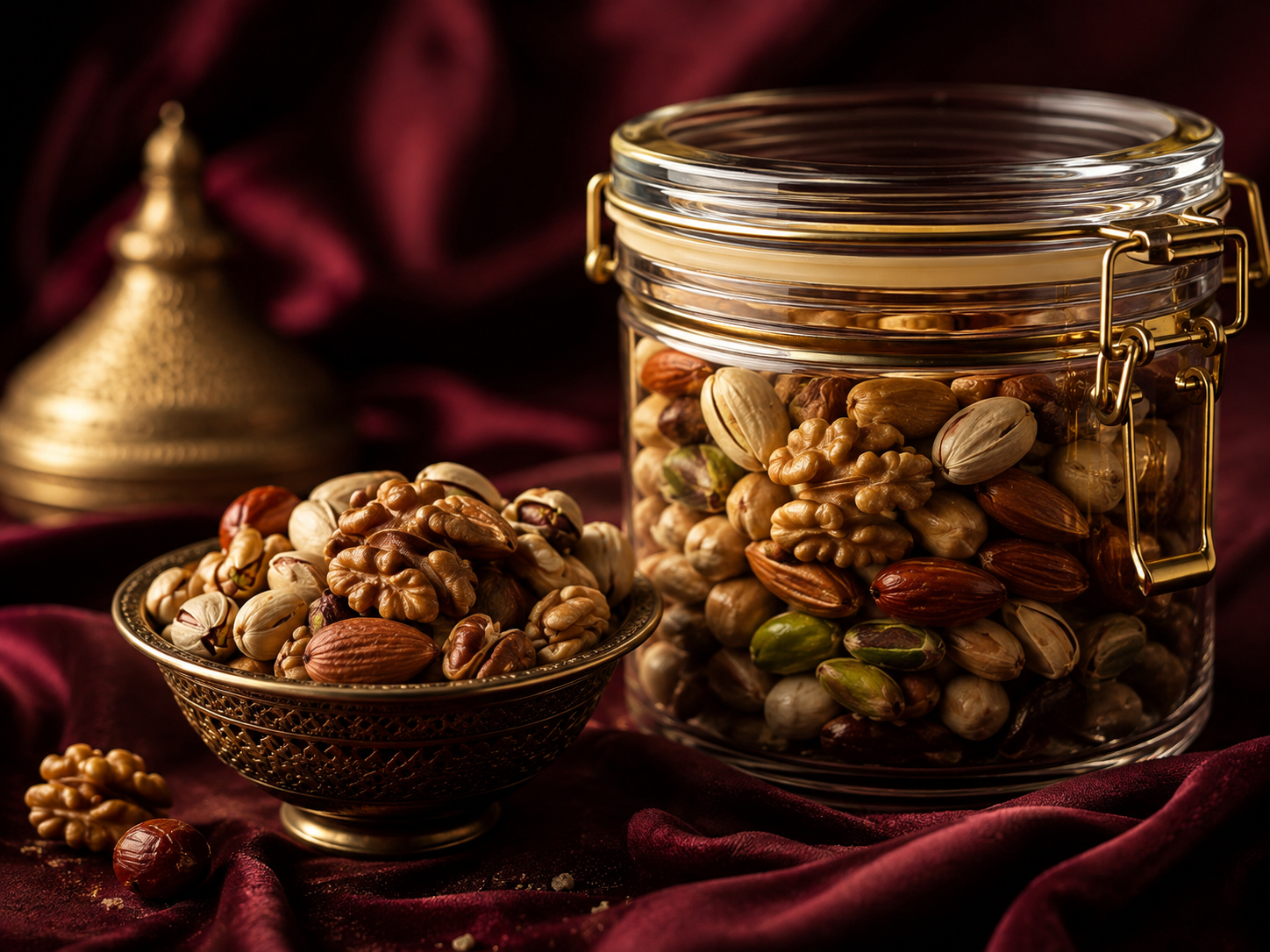
Fresh nuts have a very different aroma, flavor, and texture compared with nuts that have been stored for too long. You may have bought pistachios, almonds, walnuts, or mixed nuts and noticed after a few weeks that their flavor had changed, they were no longer as crisp as before, or they had absorbed the smell of other foods in the cupboard or refrigerator.
This is not accidental. Because of their nutritional composition, particularly the fat content of many nuts, they are sensitive to air, light, heat, moisture, and surrounding odors.
When nuts are stored properly, their quality can be preserved for a longer period. Below, we review the most important tips for storing nuts correctly.
Why Do Nuts Absorb Odors?
Nuts such as walnuts, almonds, pistachios, hazelnuts, and cashews contain fats. Under unsuitable storage conditions, these fats can be affected by air, light, and heat and may gradually lose their original quality.
Nuts can also absorb odors from their surroundings. If a container of nuts is left open next to strongly scented foods, the nuts may eventually take on those odors.
Onions, garlic, aromatic herbs, cooked foods, and certain cheeses are examples of foods with relatively strong smells.
For this reason, the first rule of storing nuts is to use suitable packaging or a proper storage container.
Store Nuts in an Airtight Container
Keeping nuts in a tightly sealed container is one of the most effective ways to preserve their quality.
A suitable container reduces continuous exposure to the surrounding air and also lowers the risk of absorbing external odors.
Glass jars with secure lids or food-storage containers that seal properly are good choices.
If you have purchased packaged nuts and the original package cannot be resealed, it is better to transfer the remaining product to another airtight container after opening.
Heat Is One of the Main Enemies of Nuts
Keeping nuts near a stove, oven, radiator, sunny window, or any other heat source can cause their quality to deteriorate more quickly.
The warmer the environment, the faster the reactions that contribute to the deterioration of fats can occur.
Therefore, if you plan to keep nuts in a cupboard for a short period, choose the coolest and darkest part of the kitchen.
A cupboard above the stove or a location exposed to direct sunlight is not a suitable choice.
Limit Exposure to Direct Light
Light can also affect the quality of nuts.
If you use transparent glass containers, it is better to keep them inside a cupboard or another dark location rather than leaving them on a countertop that is regularly exposed to sunlight.
For longer-term storage, reducing exposure to light, along with controlling temperature and air exposure, can help preserve flavor more effectively.
Take Moisture Seriously
Dry nuts should remain dry.
Moisture entering the storage container can reduce their crisp texture and create unsuitable storage conditions.
Always make sure the container you use for nuts is completely dry. You should also avoid using a wet spoon or wet hands when taking nuts from the container.
If nuts have been exposed to moisture and have developed an unusual appearance, smell, or taste, it is better to be cautious about consuming them.
Use the Refrigerator for Longer Storage
If you have purchased a relatively large quantity of nuts and do not plan to consume them soon, the refrigerator can be a suitable option.
Lower temperatures slow down many of the processes associated with food quality deterioration.
However, simply placing nuts in the refrigerator is not enough. The most important point is to keep them in a completely sealed container.
Refrigerators usually contain foods with many different odors, and if nuts are not properly packaged, they can easily absorb those smells.
Use the Freezer for Even Longer Storage
For longer-term storage, many types of nuts can be kept in the freezer.
Lower temperatures can help preserve the quality of the fats in nuts for a longer period.
Packaging is especially important with this method as well. Nuts should preferably be placed in a freezer-safe bag or container, with as much excess air removed as possible.
It is also a good idea to divide the nuts into smaller portions so that you do not have to remove the entire package from the freezer each time.
Avoid Repeatedly Warming and Cooling Nuts
One common mistake is repeatedly taking a large container of nuts out of the refrigerator or freezer and then putting it back.
Frequent temperature changes can create unsuitable storage conditions and increase the possibility of moisture forming on the nuts or inside the container.
A better approach is to divide the nuts into several smaller containers or packages from the beginning.
Then, each time, remove only the amount you need while the rest remains under stable storage conditions.
Store Raw and Roasted Nuts Separately
Raw, salted, roasted, and flavored nuts can have different characteristics. Mixing them in the same container may cause flavors, aromas, salt, or spices to transfer from one product to another.
If you have several types of nuts with different flavors, it is better to store each one in a separate container.
This is especially important for flavored nuts, as their spices can affect the taste of other nuts.
Keep Nuts Away from Spices and Strong-Smelling Foods
One reason nuts develop unwanted odors is unsuitable storage location.
Keeping nuts in a cupboard that also contains spices, dried garlic, dried onions, or other highly aromatic ingredients may increase the risk of odor transfer, especially if the packaging is not completely airtight.
It is better to designate a separate storage area for nuts, dried fruits, and similar foods.
Are Nuts That Have Absorbed Odors Safe to Eat?
The answer depends on the cause of the odor.
If the nuts have simply absorbed the smell of another food, the main issue may only be a loss of sensory quality. However, if you notice a sour smell, stale or rancid oil odor, moldy smell, or any other unusual odor, it is better not to consume them.
A bitter or highly unpleasant taste can also indicate a decline in quality.
In general, if you notice any suspicious change in the appearance, smell, or taste of nuts, it is better not to take the risk.
Check Nuts Before Storing Large Quantities
If you plan to buy a large quantity of nuts for several months, inspect part of the product before storing it.
Check its smell, taste, and appearance and make sure you are starting with a fresh product.
Proper storage cannot make old nuts fresh again; it can only help preserve the quality of nuts that are fresh to begin with.
Manage the Amount You Buy
One of the most effective ways to maintain the freshness of nuts is to buy an amount that matches your actual consumption.
If household consumption is low, buying several kilograms of nuts and storing them for a long time is not necessarily more economical. Part of the product may lose its original quality before it is consumed.
Buying smaller amounts more frequently increases the likelihood that you will consistently have fresher nuts available.
Conclusion: What Is the Best Way to Store Nuts?
When storing nuts, four main factors should be controlled: air, heat, light, and moisture.
Keep nuts in a completely airtight container and store them in a cool, dry, and dark environment. If you need to keep them for a longer period, the refrigerator or freezer is generally a better option, provided that the nuts are properly sealed and protected from the odors of other foods.
Dividing nuts into smaller packages, keeping them away from strongly scented foods, and purchasing amounts appropriate to your consumption can also help preserve freshness.
By following these simple tips, nuts can maintain their desirable aroma, flavor, and texture for a longer period.